
What Is Linalool? The Lavender Cannabis Terpene Explained
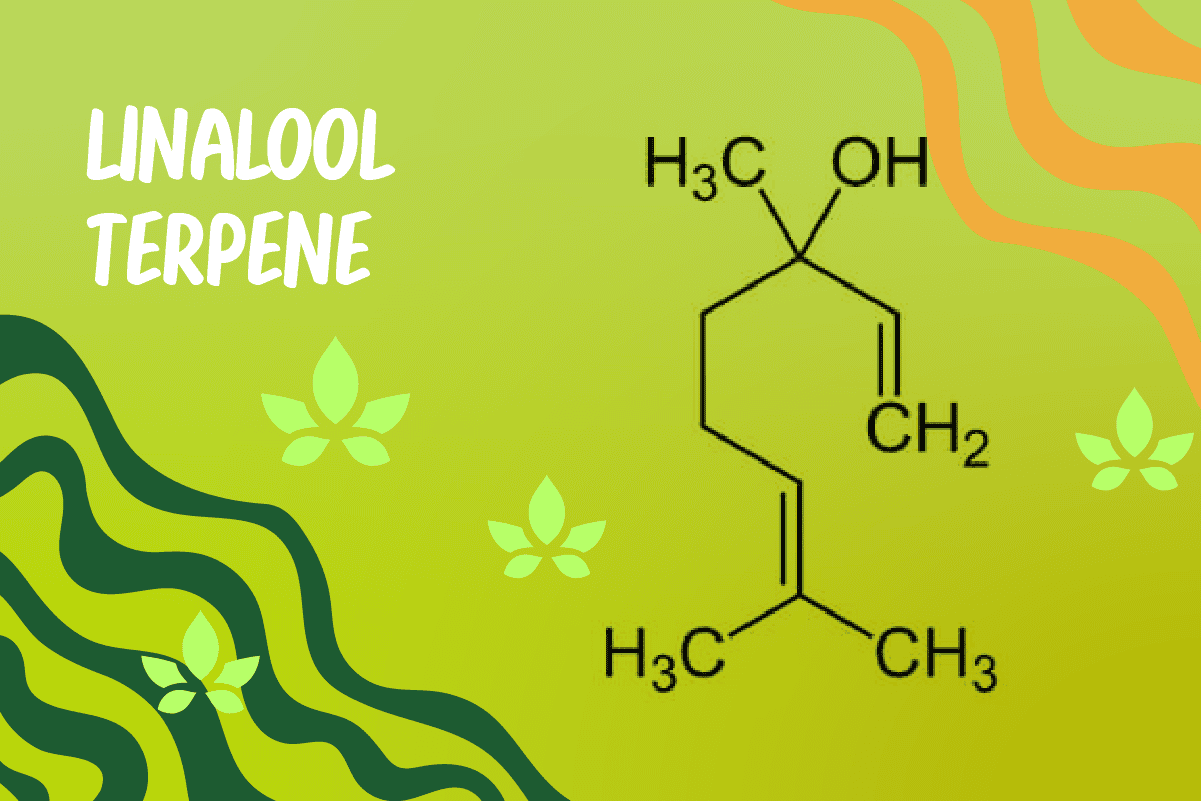
First and foremost, let me explain to you shortly what terpenes are. Terpenes such as myrcene, limonene, and pinene are organic compounds found in plants with the responsibility to give plants their unique flavor and aroma including its benefits.
Today’s cannabis terpene edition that we’re going to discuss is the one with a remarkable scent that I’m pretty sure we all are familiar with, linalool terpene.
Key Takeaways
- Linalool has a lavender aroma that many people describe as calming.
- We consumed over 2 grams of linalool each year without noticing through food.
- With linalool’s pleasant smell, it is widely used to produce scent products such as lotions and candles.
- This terpene has a sweet, spicy, and citrusy fragrance with a complex taste of a subtly sweet and floral flavor.
- Linalool is often discussed in relation to relaxation and rest, and researchers have studied it in connection with mood and memory, though the findings are not conclusive.
- Essential oils with high concentrations of linalool can cause irritation to those who have sensitive skin.
- Some of the cannabis strains rich in linalool are Lavender Kush, Do Si Dos and LA Confidential.
What is Linalool?
Just like many terpenes, linalool does not only exist in cannabis plants but is also found in over 200 types of plants as well. It is considered common for those who don’t use cannabis to consume more than 2 grams of linalool each year through their food including fruits and spices.
Based on its floral and relaxing aroma, no wonder why it is widely used in producing scented products such as essential oils, perfumes, lotions, and candles due to its creation of a calming atmosphere. Although cannabis and lavender are two sources that you can find linalool, in fact, you can also find linalool within plants like jasmine and rosewood, as well as spices such as thyme, bay leaves, and cinnamon.
What Does Linalool Smell and Taste Like?
With its characteristic of having a recognizable smell and flavor, it becomes one unique terpene. This terpene is behind all the calming and floral aromas reminiscent of lavender with a sweet, spicy, and citrusy scent. Linalool is what makes lavender smell the way it smells.
The taste of linalool can differ depending on what other terpenes are mixed with it. It naturally comes with a complex flavor with subtly sweet and floral and has a slight hint of spiciness. Linalool’s distinctive scent can enhance the taste of food and drinks, that’s why linalool is commonly found in culinary productions.
What Has Research Looked At for Linalool?
Beyond its pleasant aroma, linalool has drawn interest from researchers looking at how the compound behaves in the body. Some of the areas that studies have examined include:
- Anxiety
Researchers have studied linalool in the context of anxiety and post-traumatic stress. Some reports describe it in connection with feelings of relaxation, though these are early observations rather than established outcomes.
- Alzheimer’s Disease
Alzheimer’s disease is caused by the buildup of brain plaques and cellular tangles leading to brain degeneration. This disease can cause severe memory loss and cognitive impairment. Linalool has come up in early research on Alzheimer’s disease, where some studies have examined whether it affects the production of inflammatory proteins in the brain.
- Chronic Pain
Linalool has been examined in research on analgesic and anti-inflammatory properties, often in combination with other cannabis compounds. Studies in this area frequently mention conditions such as arthritis, migraines, and neuropathic pain, though the findings are not settled.
- Sleeping Disorders
Linalool is often described in connection with calm and relaxation. It is a common ingredient in aromatherapy, including products marketed to people who report sleep difficulties.
Potential Risks and Side Effects
Generally, linalool is safe, however, there’s also a chance to irritate the skin in somebody. It has been reported that cases of individuals having allergic reactions to linalool are rare.
It is important to consult with a healthcare professional or complete patch tests before applying essential oils with high concentrations of linalool due to the fact that it may cause skin sensitization, specifically those who have sensitive skin.
Where Can I Find Linalool in Cannabis?
Several cannabis strains are known for carrying high levels of linalool, which gives them a noticeably floral, lavender-like aroma. Here are a few that growers and reviewers commonly associate with this terpene.
Casino Kush, This popular strain was made by a cross between White Walker OG and Blue Flame #29. In 2018, Casino Kush won 2nd prize in the High Times World Cup Best Indica.
Kosher Kush, It was developed in Los Angeles, California, and received the award in 2010 and 2011 from High Times Cannabis Cup’s Best Indica.
Do Si Dos, Do Si Dos comes from its parents, OGKB and Face Off OG developed by its breeder in 2016, Archive Seed Bank.
Lavender Kush, This strain not only smells like Lavender but it looks like one too with its dark purple leaves. Lavender Kush comes from a mixture of 3 strains: Super Skunk, Big Skunk Korean, and Afghani Hawaiian.
LA Confidential, LA Confidential or so-called ‘Confidential’ and ‘Confidential OG’, is a heavily Indica-dominant hybrid with 95% indica and 5% sativa. This strain originates from Southern California from the crossing of DNA genetics between OG LA Affie and Afghani.
Linalool shows up across many other cultivars too, often alongside terpenes such as myrcene and caryophyllene that together shape a strain’s aroma.
Two more cultivars that are often linked with linalool are described below.
Apple Jack comes from a crossbreeding of its parents, Jack Herer and White Widow, giving it a balanced 50/50 mix of Indica and Sativa genetics. It is one of the cultivars often noted for carrying linalool.
Emergen-c was made from a cross between the genetics of Seed Junky and Mintz. Reviewers often describe its bright, citrus-forward aroma.
Conclusion
You can think of linalool as a terpene with more to it than its calm, floral smell. It can be found in several different plants, and some of them are everyday food ingredients such as lavender, rosewood, bay leaves, and cinnamon.
The smell of linalool is prominent in the production of perfumes and essential oils. It has also drawn research interest, with studies examining how it relates to rest, inflammation, and the brain, though none of this is settled science. Several cannabis strains are rich in linalool, including Casino Kush, Lavender Kush, and Do Si Dos.