
Cannabis and Nerve Pain: The Research and Thai Legal Context
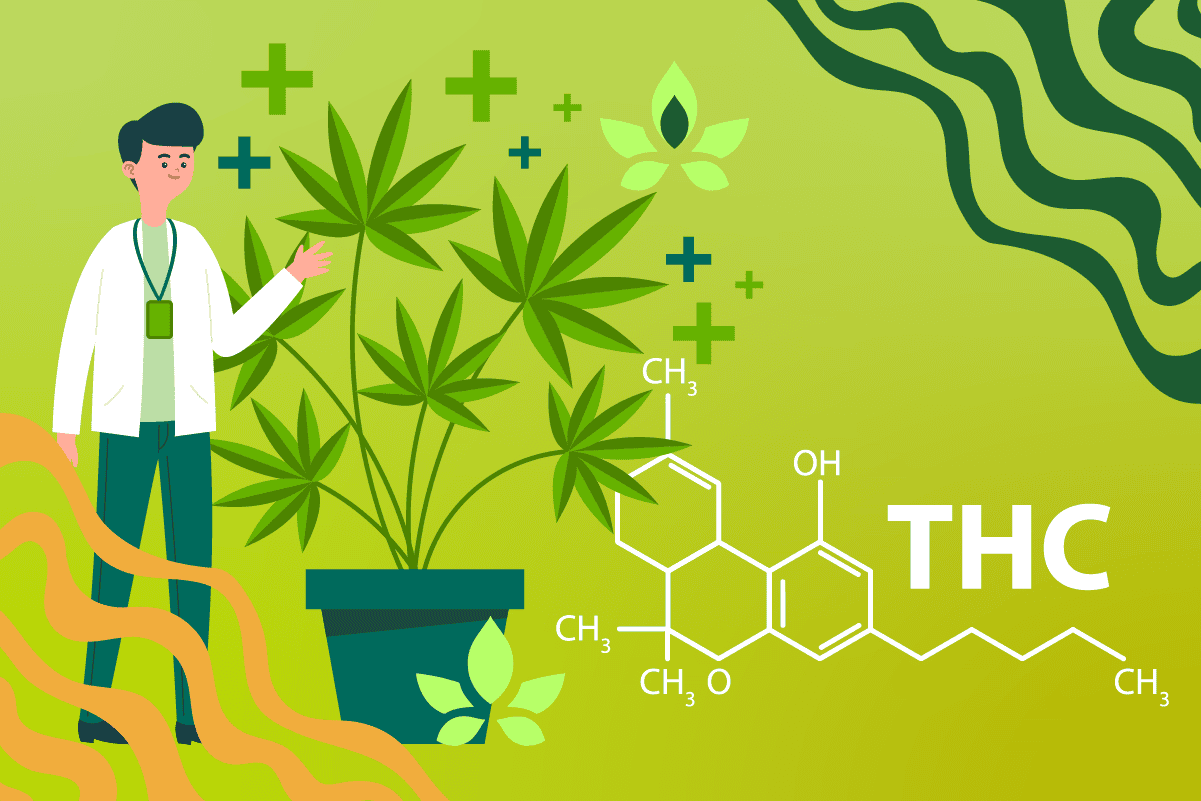
Medical cannabis is legal in more than 40 countries, Thailand among them. As access has widened, so has the research, and pain is one of the areas scientists look at most.
This article covers three things: what nerve pain is and how researchers study cannabis in relation to it, how medical cannabis access works under Thai law, and the safety considerations that show up in that research. It is general information, not medical advice. Anyone considering medical cannabis in Thailand should speak with a licensed practitioner first.
Key Takeaways
- Nerve pain, or neuropathy, is damage to the nervous system that can cause pain, numbness, and tingling.
- Researchers study how cannabinoids such as THC and CBD interact with the endocannabinoid system, a signaling network the body produces on its own.
- In that research, the ratio of THC to CBD is treated as a variable to measure, not as a product recommendation.
- Thailand removed cannabis from its narcotics list in 2022, and medical use runs through a consultation with a licensed practitioner.
- Reported side effects in the literature include dizziness, rapid heart rate, and dependence, which is why the professional consultation matters.
What Is Nerve Pain, and What Causes It?
Nerve pain, or neuropathy, is a condition in which the nervous system is damaged. That damage interrupts the signals nerves carry, which can leave a person with numbness, tingling, and pain, most often in the hands and feet.
Several underlying conditions raise the risk. Diabetes is the most common. Chronic heavy alcohol use and certain vitamin deficiencies are others. Symptoms can build slowly or arrive suddenly, and they range from mild to severe depending on the cause. Common signs include:
- Sharp or burning pain
- Numbness
- Sensitivity to touch
- Tingling
- Muscle weakness
How Researchers Study Cannabis and Nerve Pain
The science centers on the endocannabinoid system (ECS), a cell-signaling network the human body produces naturally. It helps regulate a number of functions, pain perception among them. One study describes how THC and other cannabinoids act on two receptors in this system, CB1 and CB2. CB1 receptors sit mostly in the nervous system and the brain. CB2 receptors are more common in immune cells. How a cannabinoid binds to each one is part of what researchers measure when they look at pain.
THC and CBD behave differently at those receptors, which is why the ratio between them comes up so often in studies. A high-THC preparation and a balanced THC-to-CBD preparation are not the same input, so the ratio gets tracked as a variable rather than promoted as an answer. Plant type is another variable. The botanical differences between sativa and hybrid plants, and the cannabinoid profile each tends to carry, are recorded and compared, not ranked.
What the research does not offer is a settled verdict. Outcomes vary between individuals, study designs differ, and a lot of the evidence is still being gathered. That uncertainty is exactly why the consultation step exists.
Medical Cannabis and the Law in Thailand
Thailand was the first country in Southeast Asia to legalize medical cannabis, back in 2019, and it removed cannabis from its list of controlled narcotics in 2022. The change opened the door to a licensed industry. It did not turn cannabis into a free-for-all. Medical use is built around professional oversight.
More recent rules have pushed access further toward that model. Guidance from the Ministry of Public Health directs cannabis sales toward customers who hold a prescription from a licensed practitioner, such as a doctor or a qualified traditional-medicine professional. In practice, the consultation comes first. A licensed professional can review someone’s medical history, weigh it against a condition like neuropathy, and advise on whether cannabis is appropriate at all.
For a visitor or a resident reading up on nerve pain, the takeaway is simple. The legal route to medical cannabis in Thailand runs through a qualified practitioner, not a shelf.
Side Effects and Safety
Cannabis carries risk, and the research is clear that effects vary from one person to the next. Tolerance, general health, other medications, and the underlying condition all play a part. The reported side effects that come up in the literature include:
- Dizziness
- Confusion
- Nausea
- Rapid heart rate
- Withdrawal symptoms after regular use
- Dependence, which research associates with roughly 1 in 10 users
This is exactly why a consultation matters. A licensed practitioner can flag interactions and risks that a general article cannot, and can weigh them against your own history.
The Bottom Line
Researchers keep studying how cannabis interacts with the endocannabinoid system and what that might mean for nerve pain. The ECS, the CB1 and CB2 receptors, and the ratio of THC to CBD are the moving parts they measure. The honest summary is that the science is active and unsettled, and that any individual decision belongs with a licensed professional.
If you want the building blocks first, our explainers on THC versus CBD and THC itself are a good place to start.
Have Questions? Ask Our Staff in Person
Siam Green Cannabis Co runs five licensed locations in Thailand:
- Bangkok: Phrom Phong | Silom | Nana | Chinatown
- Koh Samui: Chaweng
Our team can answer general questions about cannabis and Thai regulations in person, and point you toward the right licensed professional for medical advice. Find every branch and its map on our locations page.